The biggest myth in software development is that great products take a long time to build.
They don’t.
Great products take a long time to refine.
But the first working version should appear extremely fast.
In today’s AI driven development world, the founders who win are not the ones with the most perfect architecture. They are the ones who ship working software before everyone else even finishes planning.
Shipping fast is not about cutting corners.
It is about removing unnecessary work.
After building software for more than a decade, I realized something simple:
Most SaaS products are built on the same foundation.
Authentication
User roles
Subscriptions
Admin panels
Notifications
API access
Settings
Dashboards
Every founder keeps rebuilding these from scratch. That is months of wasted time.
Instead, I focus on speed and leverage.
This is the system I currently use to launch products faster than ever.
Step 1: Start with a Working SaaS Foundation
The fastest way to ship software is simple.
Do not start from zero.
Instead of setting up authentication, billing, permissions, admin dashboards, and basic infrastructure every time, I start from a production ready SaaS boilerplate.
The base I use is:
Laravel SaaS Store
The idea is simple. Everything that normally takes weeks is already there and tested.
Typical SaaS foundations already included:
• Authentication
• User management
• Role based permissions
• Admin panel
• Stripe subscriptions
• API structure
• Notifications
• Queue system
• Database architecture
This means the project starts at 60 percent completion instead of 0 percent.
Instead of spending weeks wiring infrastructure, I can immediately focus on the actual product idea.
For indie hackers and SaaS founders, this alone can cut development time by months.
Step 2: Use AI to Plan the Entire Product
Once the base is ready, the next bottleneck appears.
Planning.
Most founders either overthink planning or completely skip it.
Both approaches fail.
This is where AI becomes extremely powerful.
Instead of manually writing specifications, I use:
VibeCoderPlanner
The concept is simple but powerful.
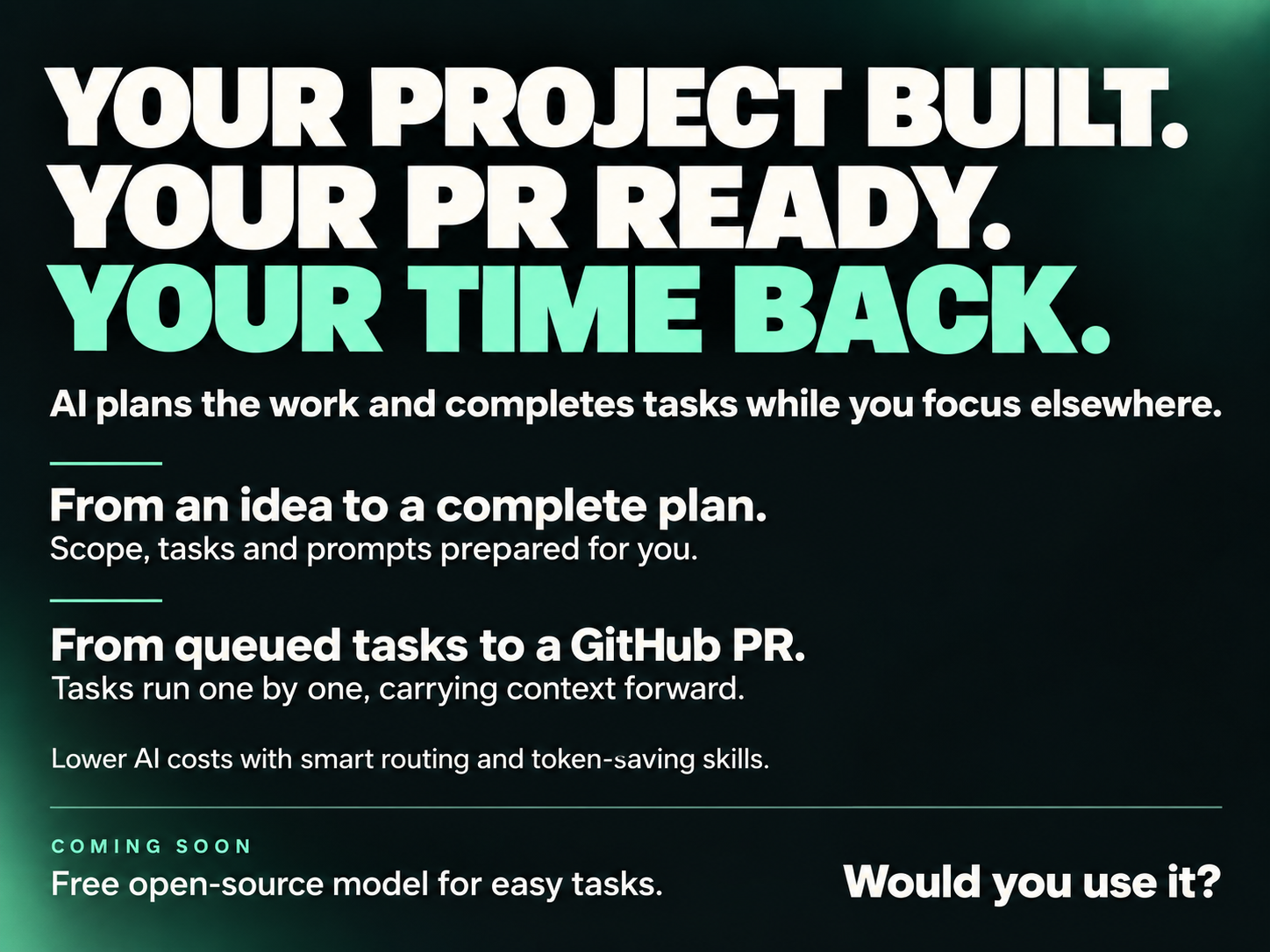
You describe your idea and the system generates:
• development tasks
• implementation prompts
• architecture suggestions
• step by step execution flow
Instead of staring at a blank task board, you instantly get a structured development roadmap.
The tasks appear in a Kanban style workflow where you can move them from planning to execution.
This removes the second biggest bottleneck in building products:
figuring out what to build next.
Step 3: Execute Tasks with AI Assisted Development
Once the plan exists, the workflow becomes extremely fast.
Each generated task becomes a development instruction.
For example:
Create API endpoint for product creation
Add Stripe subscription logic
Implement analytics dashboard
Build onboarding flow
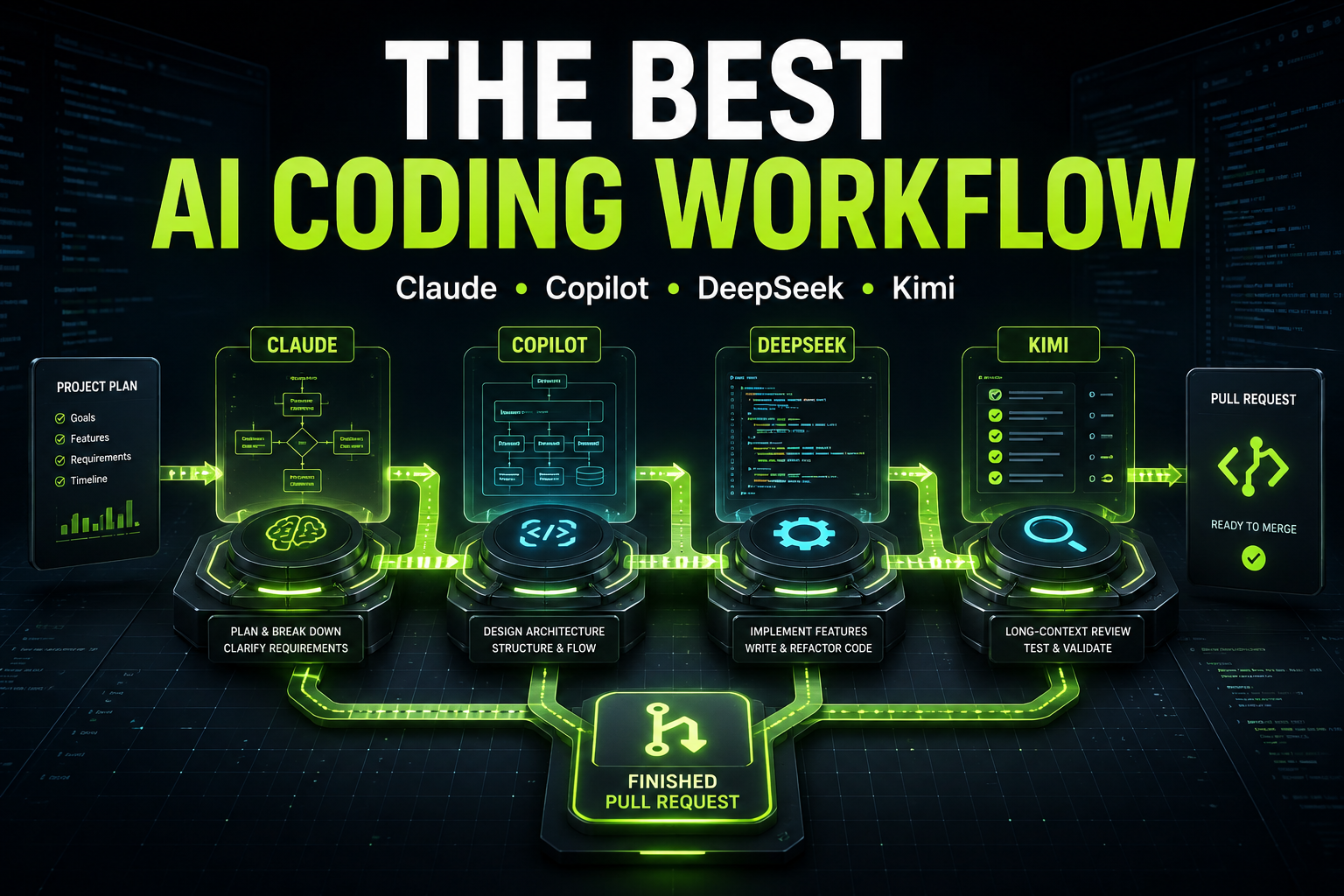
Each task can then be executed with AI coding tools such as Cursor, Copilot, or GPT powered assistants.
Instead of writing everything manually, the process becomes:
Task → Prompt → Generated Code → Review → Merge
In many cases, entire features can be implemented in minutes.
Step 4: Ship Before It Feels Ready
One of the biggest mistakes developers make is waiting too long before releasing.
Perfection kills momentum.
Shipping fast means launching when the product is functional, not perfect.
Your first users will always reveal things you never predicted.
Real feedback beats internal planning every single time.
The faster the feedback loop becomes, the faster the product improves.
The goal is simple:
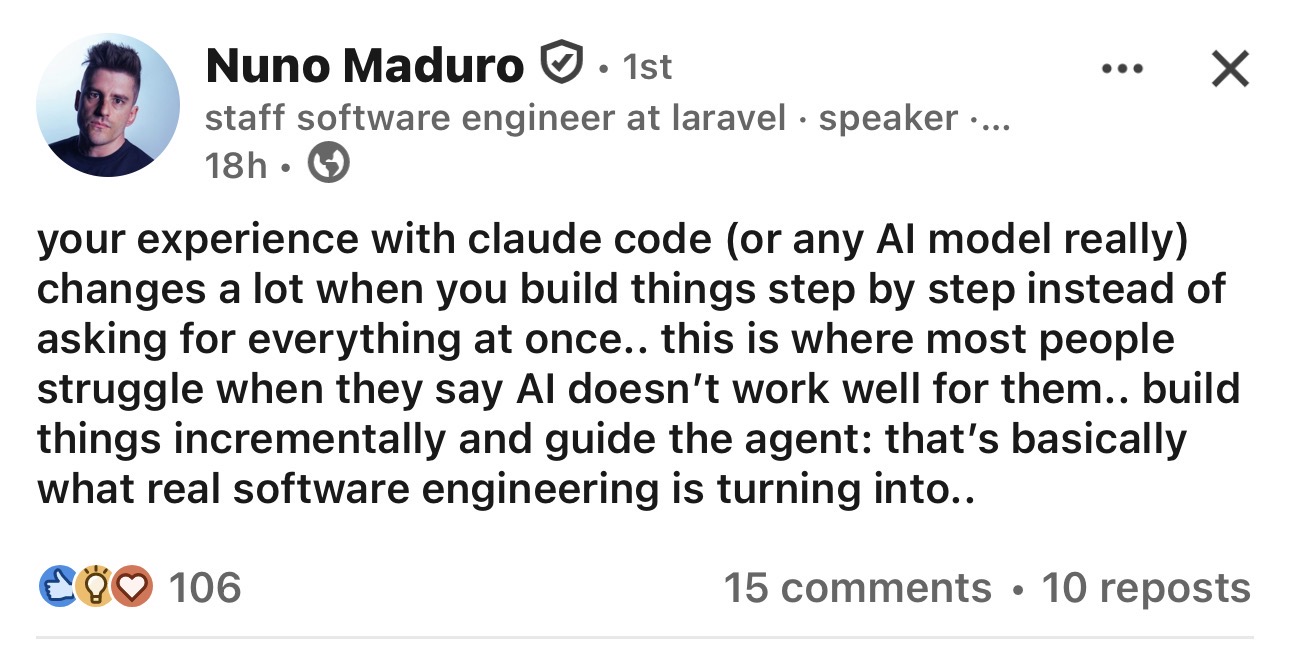
Build → Release → Learn → Improve
Not:
Plan → Plan → Plan → Rewrite → Maybe Launch
Step 5: Create a Repeatable Launch System
Once you combine boilerplates with AI planning tools, something interesting happens.
Launching products becomes repeatable.
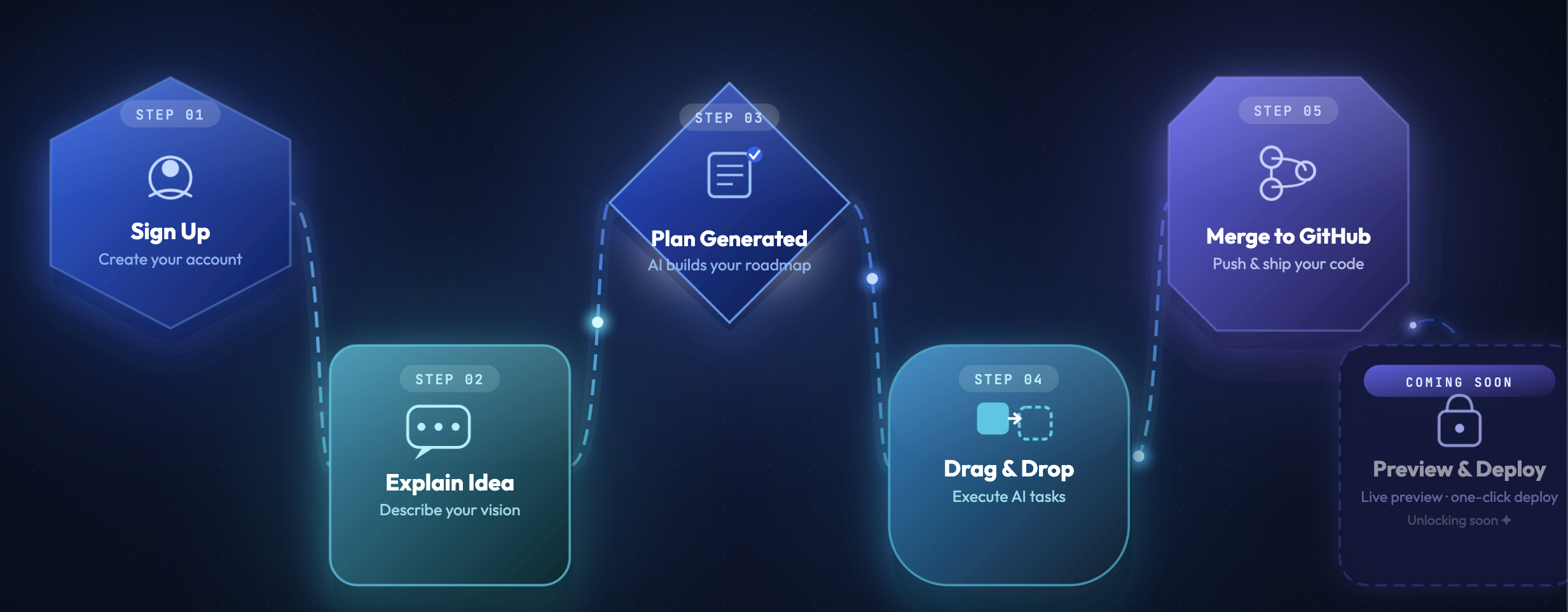
Instead of every project feeling like a massive undertaking, it becomes a structured workflow:
- Start with a SaaS boilerplate
- Describe the idea to an AI planner
- Generate the development roadmap
- Execute tasks with AI coding tools
- Ship quickly and iterate
This approach dramatically lowers the cost of experimentation.
You can test multiple ideas without spending months building each one.
In the AI era, speed of experimentation is the biggest competitive advantage.
Why Speed Matters More Than Ever
AI has changed the economics of software development.
Ideas are cheap.
Execution is faster than ever.
The real advantage now is who can test ideas in the real world the fastest.
The founders who succeed are not necessarily the smartest developers.
They are the ones who:
• launch faster
• learn faster
• adapt faster
Speed compounds.
Every product you ship teaches you something new about users, markets, and distribution.
And that knowledge becomes your real advantage.
Final Thought
Shipping fast is not about being reckless.
It is about being strategic with your time.
If a tool can remove weeks of work, use it.
If AI can plan your development roadmap, use it.
If a boilerplate already solved the infrastructure problems, start there.
Build less from scratch.
Ship more products.
Learn faster.
Because in the AI era, the biggest risk is not launching something imperfect.
The biggest risk is never launching at all. 🚀